
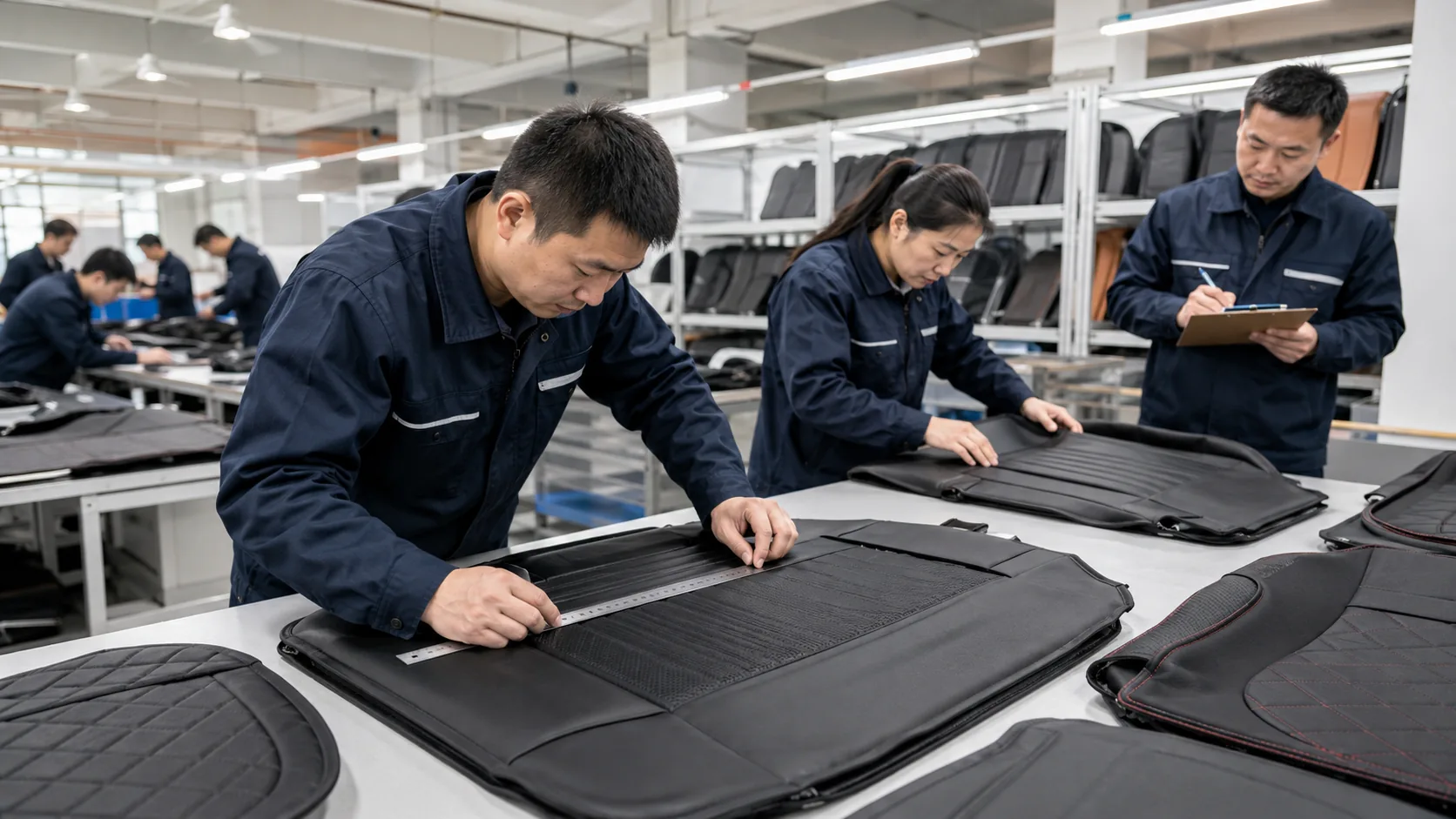
تعد المرتجعات أسرع طريقة لمحو هامش الربح في أعمال أغطية المقاعد، وتعود معظم المرتجعات إلى خمس عمليات فحص كان من الممكن أن يتم إجراء فحص سليم عليها في المصنع: القماش، والخياطة، والتركيب، وطبقات الوسادة الهوائية، والتعبئة والتغليف. سواء كنت تستخدم موظفين داخليين أو شركة تفتيش تابعة لجهة خارجية، فإن قائمة المراجعة هذه تغطي عمليات الفحص المهمة لكل منها طلب غطاء المقعد - وهو يعكس كيف منطقتنا خط المصنع تم فحصه.
فحص النسيج والمواد
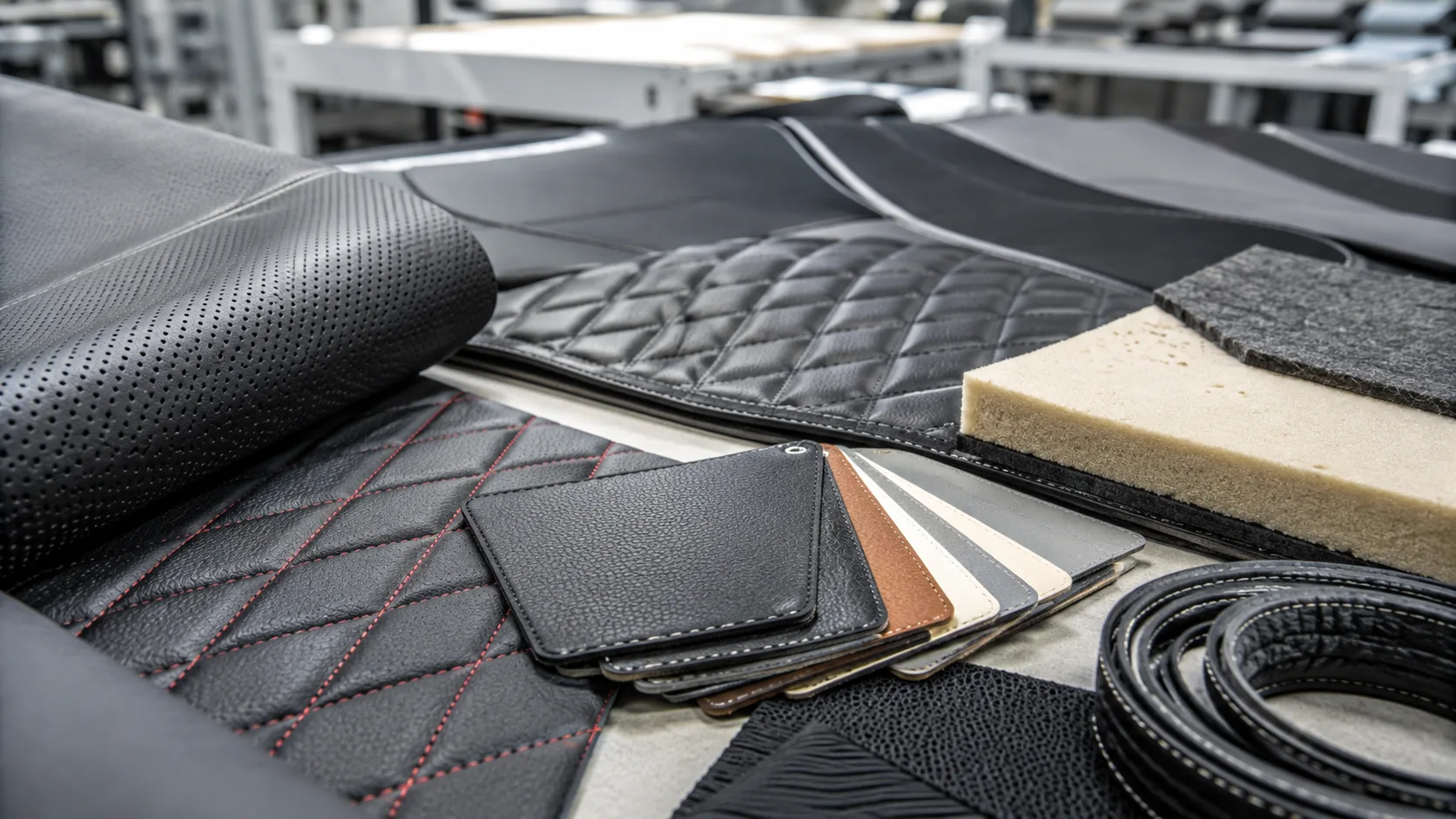
قارن القماش السائب بالعينة المعتمدة تحت إضاءة ثابتة. تحقق من ثبات اللون عبر الألواح من نفس اللفة وبين اللفات. ابحث عن الحبوب والعقبات واختلافات الكثافة في النسيج. من المفيد إجراء فحص سريع للتآكل على سطح التآكل على قطعة واحدة لكل مجموعة كرتونية. فهم الشكل والمظهر الذي يجب أن تبدو عليه كل مادة - لدينا مكتبة المواد يعد مرجعًا مفيدًا - يجعل عمليات التحقق هذه أسرع.
خياطة وتكامل التماس
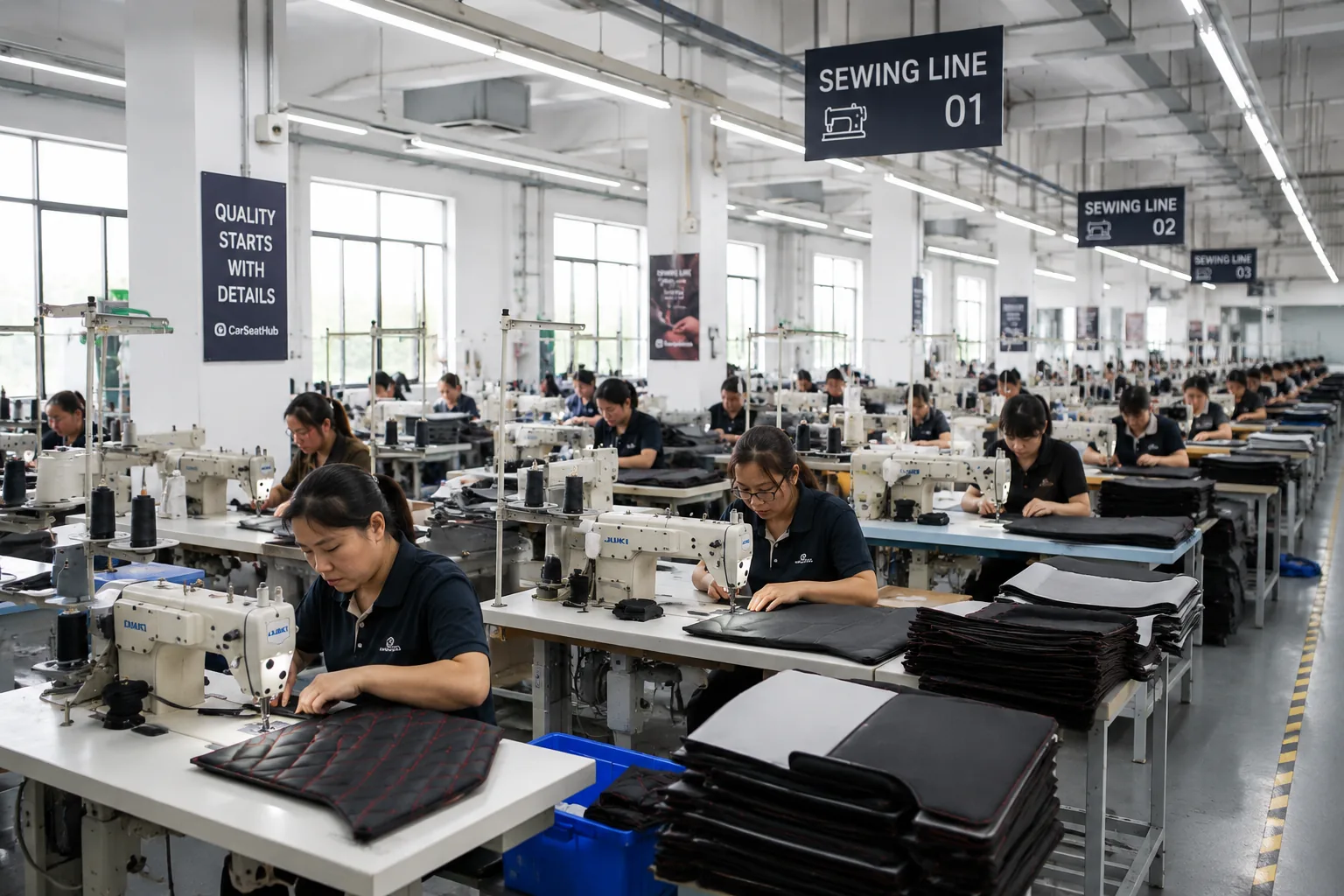
فحص كثافة الغرز واستقامة التماس على كل قطعة تم أخذ عينات منها. تحقق من نقاط الضغط - المساند الجانبية، وحواف الحاشية، وأشرطة التثبيت - للخياطة المزدوجة حيثما هو محدد. قم بإجراء اختبار سحب لعينة التماس للتأكد من ثباتها تحت التوتر. الغرز السائبة أو المتخطية عند نقاط الضغط هي السبب الأول لفشل الغطاء المبكر.
التوافق مع الوسادة الهوائية
تأكد من وجود وصلة تمزيق الوسادة الهوائية ووضعها بشكل صحيح على أي SKU يغطي منطقة نشر الوسادة الهوائية - وهو بناء مثل غطاء جلدي فاخر من الجليد يحدد التماس في بنائه. تأكد من اكتمال الحواشي والأشرطة المرنة وحجمها الصحيح لشكل المقعد. إذا كان ذلك ممكنًا، قم باختبار غطاء واحد على طراز السيارة الفعلي قبل شحن الدفعة الكاملة - مشكلات الملاءمة التي يتم اكتشافها بعد الوصول هي الأكثر تكلفة لإصلاحها.
التعبئة والتغليف ووضع العلامات
تأكد من تطابق حجم الكرتونة ووزنها وعدد العبوات مع أمر الشراء وبيان الشحن. تحقق من الملصقات والرموز الشريطية وفقًا للمواصفات الخاصة بك - فالملصقات الخاطئة تسبب تأخيرًا جمركيًا وشكاوى العملاء. فحص الحماية المناسبة ضد الرطوبة أثناء النقل.
أخذ عينات AQL: كم عدد العينات التي يجب التحقق منها؟
| حجم الطلب | حجم العينة | العيوب الرئيسية المسموح بها |
|---|---|---|
| ما يصل إلى 500 جهاز كمبيوتر شخصى | 20 | 1 |
| 501 - 1,200 قطعة | 32 | 2 |
| 1,201 - 3,200 قطعة | 50 | 3 |
| 3,201+ جهاز كمبيوتر | 80 | 5 |
تحديد العيوب الكبرى والصغرى في عقدك قبل الإنتاج. يجب أن تكون العيوب الرئيسية - الدرزات الممزقة، ووضع درزات الوسادة الهوائية الخاطئة، وانحراف اللون بشكل لا يمكن تحمله - سببًا للرفض. يجب قبول المشكلات التجميلية البسيطة مع التفاوض بشأنها، أو تصحيحها من قبل المورد قبل الشحن.
جعل التفتيش مفيدًا لك
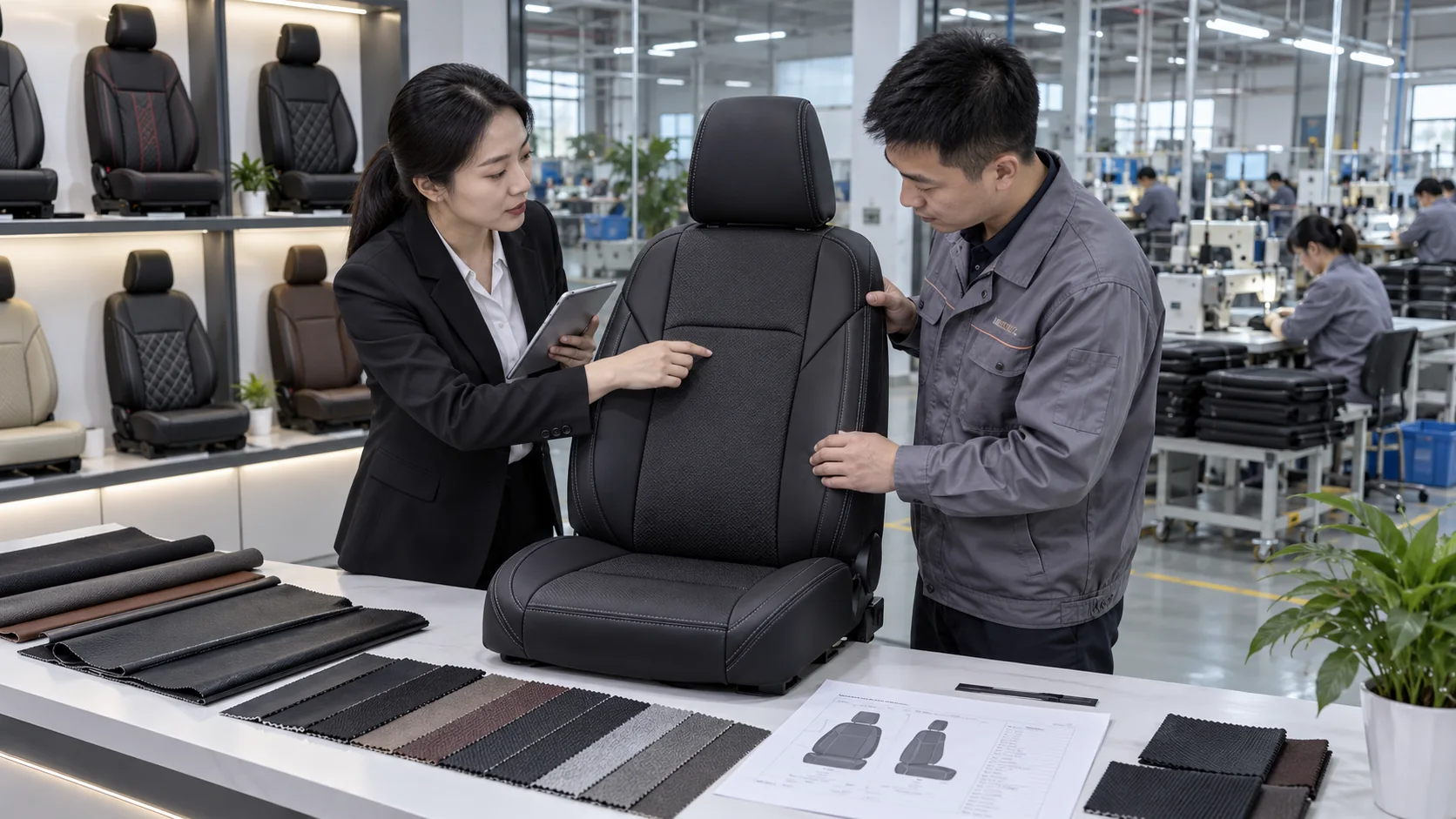
التفتيش شراكة وليس تهديدا. قم بإعطاء المورد قائمة المراجعة قبل الإنتاج حتى يتمكن من التحقق منها ذاتيًا. شارك نتيجة كل فحص - النجاح والرسوب - بحيث يتفق الطرفان على نفس المعيار. المصنع الذي ينتج أكثر من 2000 مجموعة يوميًا لديه مراقبة الجودة مدمجة في خط إنتاجه؛ مهمتك هي التحقق من استيفاء المعيار في طلبك. للحكم على ما إذا كان المصنع يستحق الثقة، راجع موقعنا دليل اختيار الموردين; لفهم أين تبدأ العيوب، لدينا تجول التصنيع.
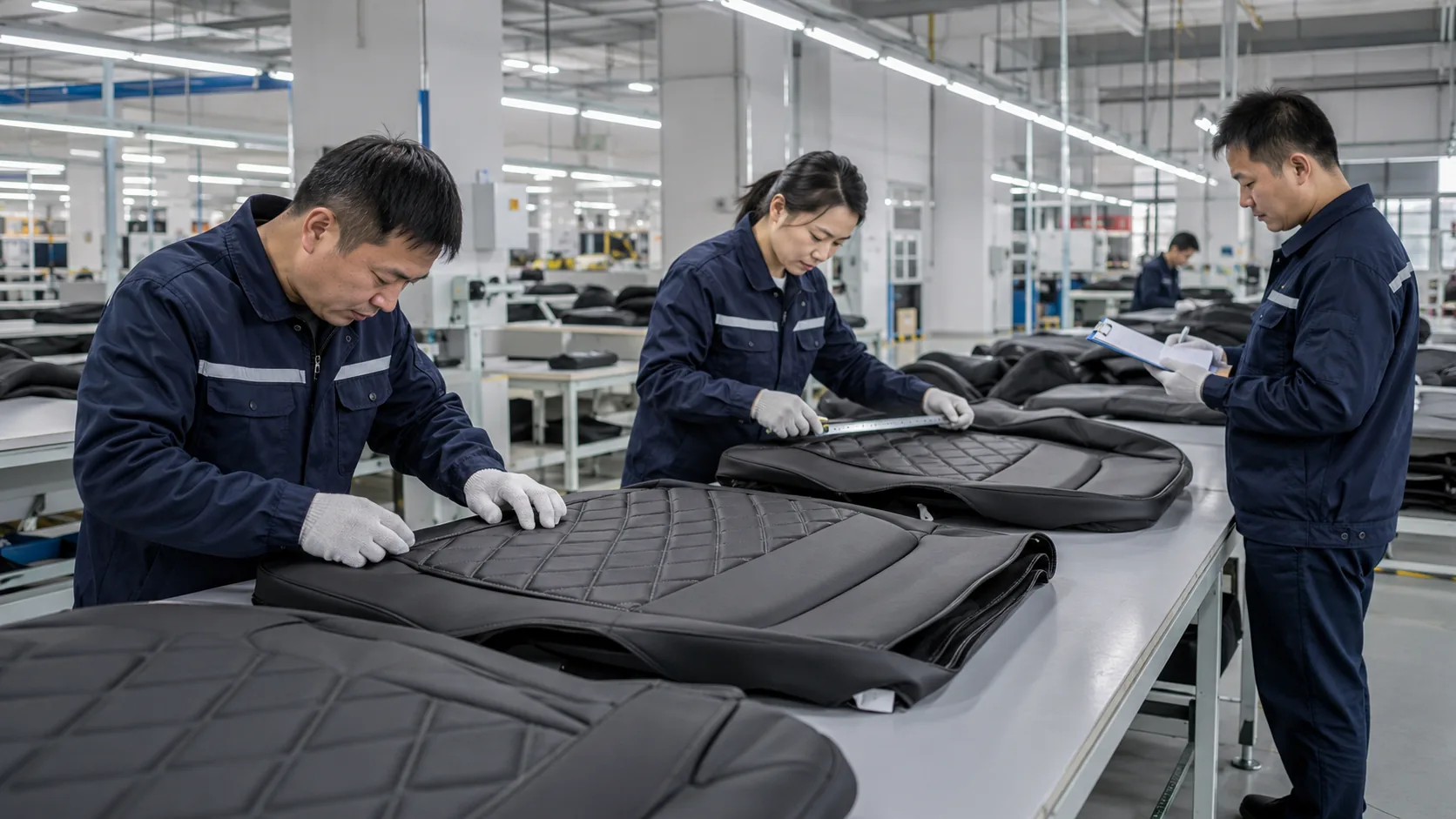
استخدم قائمة المراجعة هذه في طلبك التالي - أو اسمح لفريق مراقبة الجودة لدينا بتشغيلها لك قبل الشحن. طلب دعم التفتيش.