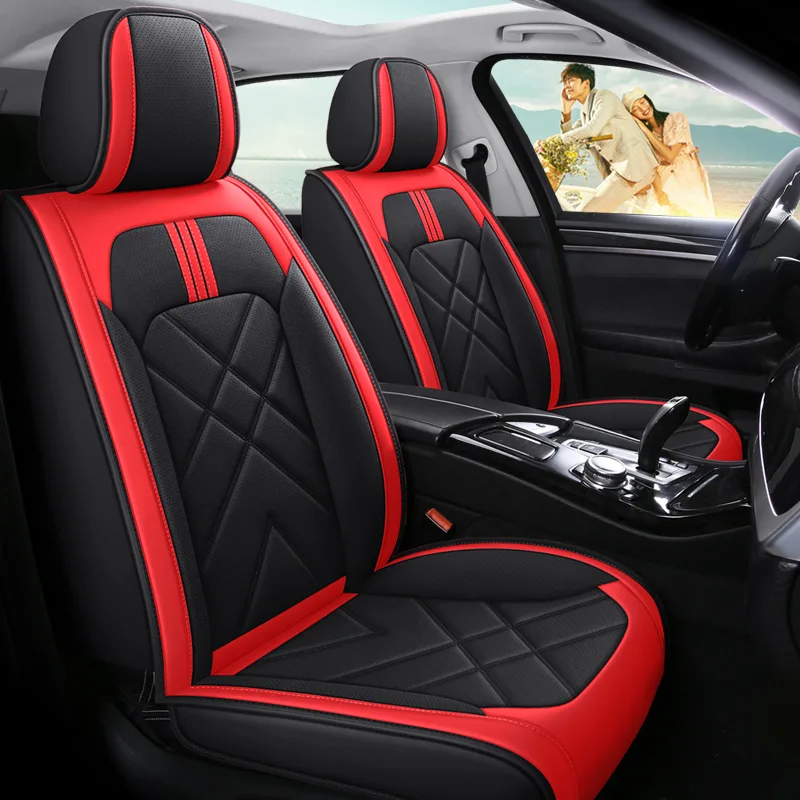

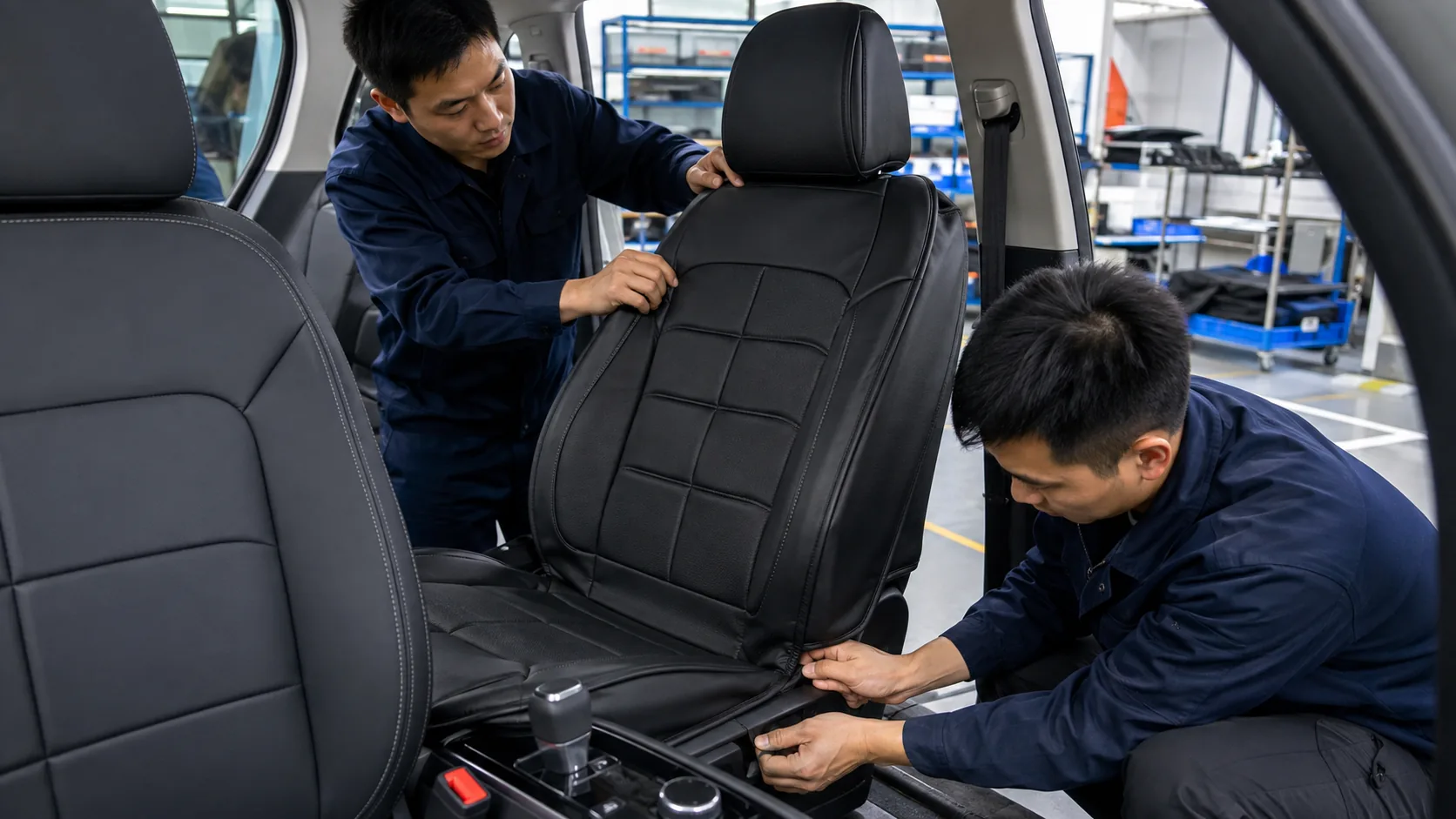
تعتبر أغطية المقاعد ذات الملاءمة الشاملة بمثابة العمود الفقري للعديد من شركات البيع بالجملة - أ غطاء عالمي كبير الماس يناسب حوالي 85% من مقاعد سيارات السيدان وسيارات الدفع الرباعي القياسية. إنهم يقومون بتخزين نماذج المركبات بخط SKU واحد، ويتحولون بشكل أسرع من المنتجات المخصصة، ويمنحون الموزعين كتالوجًا واسعًا دون مخزون كبير. لكن العالمية تعني أيضًا المنافسة - لذا فإن قرارات الشراء التي تتخذها الآن تحدد ما إذا كان سهمك يتحرك أم لا. إليك كيفية بناء برنامج عالمي يبيع.
لماذا تعتبر الأغطية العالمية من السلع الأساسية بالجملة
غطاء عالمي يناسب حوالي 85% من مقاعد سيارات السيدان وسيارات الدفع الرباعي القياسية. هذه التغطية هي ما يجعلها منتجًا ضخمًا: يخدم SKU واحد الآلاف من نماذج المركبات، مما يبسط عملية حفظ المخزون والمرتجعات وإعادة الطلب. بالنسبة للموزعين الذين يدخلون سوقًا جديدة، تعد الخطوط العالمية هي أسرع طريقة لبناء النطاق دون الرهان على الطلب على مركبة واحدة.
بناء مزيج متوازن من SKU
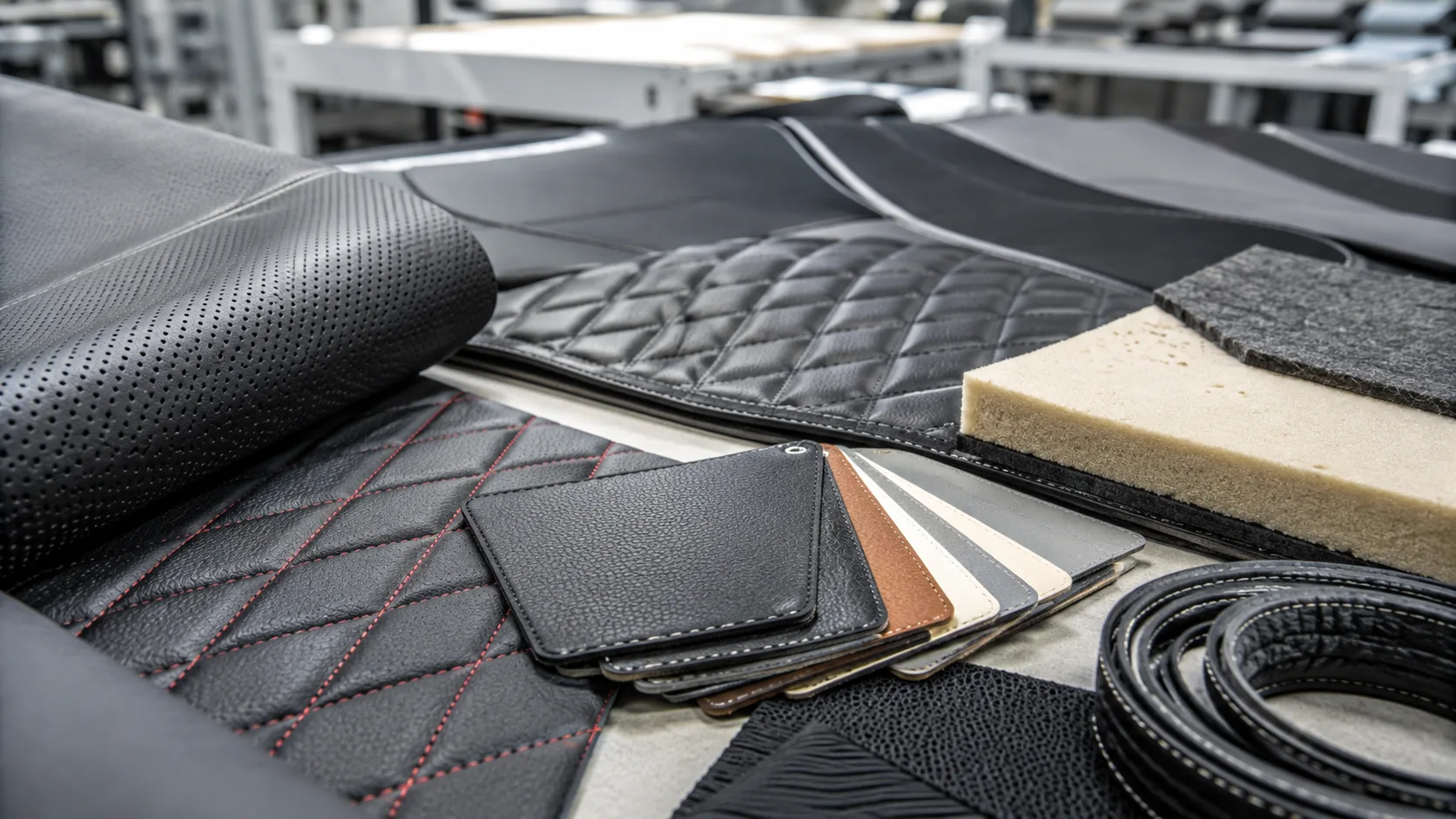
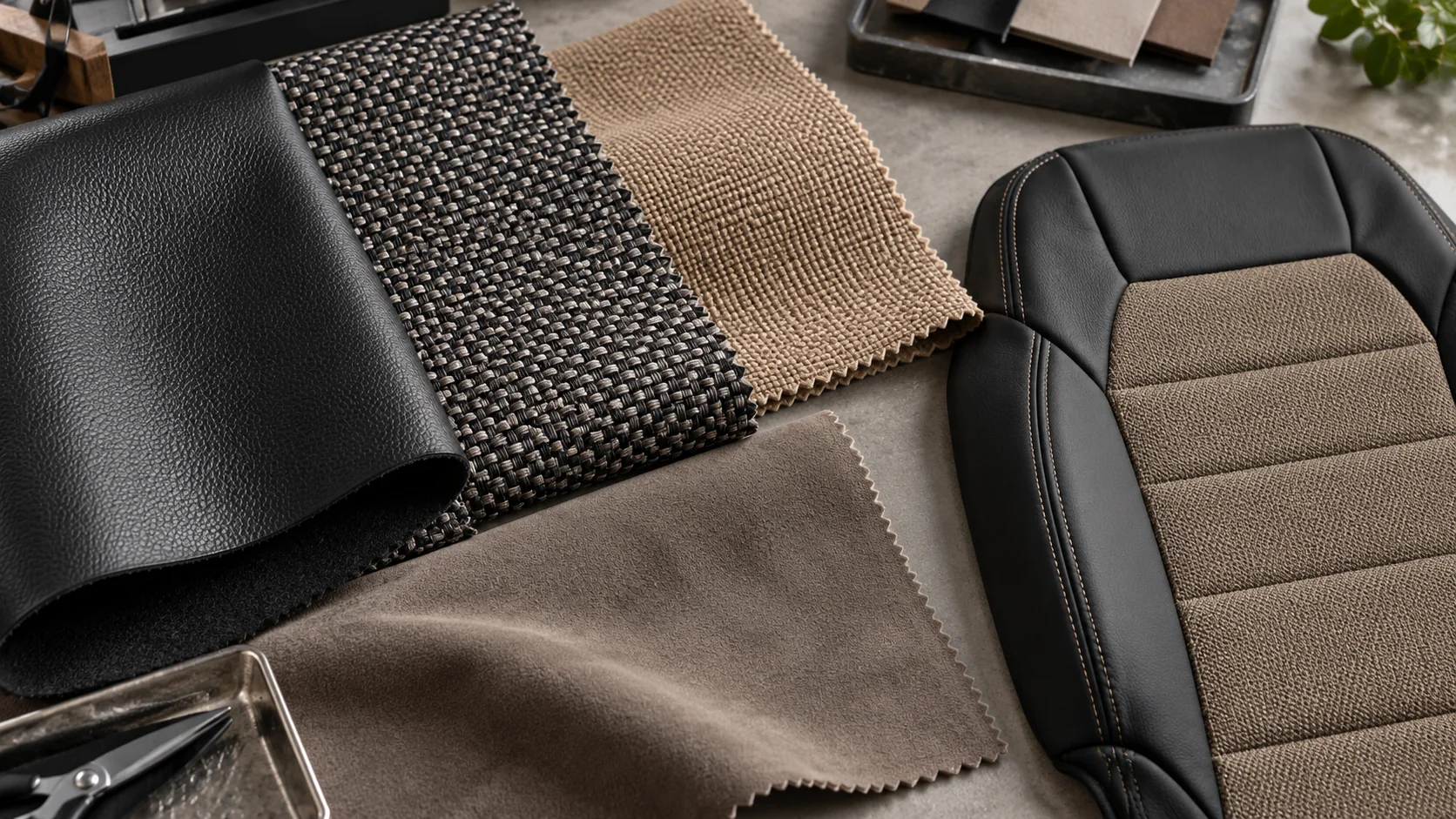
لا تستورد عشرين ظلال من نفس الغلاف. يغطي المزيج المربح نقاط السعر الرئيسية وحالات الاستخدام. مصنع ينتج 22 وحدة SKU عبر ستة سلسلة - الحرير الجليدي، والجلود، والرياضة، والكلاسيكية، والكرتونية، والعالمية - يمكن أن توفر مجموعة كاملة من مصدر واحد. بالنسبة لنقاط سعر الدخول، أ غطاء مخطط ملون يمنحك أساسية سريعة الحركة. بالنسبة للحاوية الأولى، النهج الشائع هو استخدام مادتين عند نقاط الأسعار سريعة الحركة بالإضافة إلى خط مميز واحد للهامش.
مستويات الأسعار والهوامش
تتراوح أسعار الجملة بين 125 دولارًا و 169 دولارًا اعتمادًا على المواد والبناء. ويحتل الحرير الجليدي والجلد قمة المجموعة؛ النسيج القياسي يحمل الحجم. قم بتخطيط سعر البيع الخاص بك مقابل التكلفة النهائية - الشحن والرسوم والتخزين - قبل الالتزام بهدف الهامش. إن التغطية التي تبلغ 125 دولارًا والتي تبلغ تكلفتها 110 دولارًا لا تترك لك مجالًا للترقيات. لدينا موك ودليل التسعير يشرح كيف تتحرك هذه الطبقات مع الحجم.
تخطيط المخزون وإعادة الطلب
تتمتع الأغطية الشاملة بطلب مستقر، مما يكافئ دورات إعادة الطلب الثابتة على أوامر الذعر. تتبع عمليات البيع حسب SKU والمواد. يتسارع الحرير الجليدي عادةً في المواسم الدافئة ويتباطأ في الشتاء؛ النسيج والجلود أكثر ثباتًا. قم ببناء مشغلات إعادة الطلب على أساس أسابيع من المخزون بدلاً من الشعور الغريزي، واحتفظ بمخزون احتياطي على اثنين من أفضل البائعين لديك.
الشحن والتجديد
يحافظ الشحن الجوي على أفضل البائعين لديك في المخزون من خلال التسليم خلال 7 إلى 15 يوم عمل عبر DHL أو FedEx أو UPS. يعد الشحن البحري أمرًا منطقيًا للتجديد بكميات كبيرة على وحدات SKU المستقرة. المزيج الصحيح يحافظ على عمل رأس المال: الهواء للمحركات السريعة، والبحر للقاعدة الثابتة - انظر لدينا دليل الشحن والمهلة الزمنية لكيفية التخطيط للانقسام.
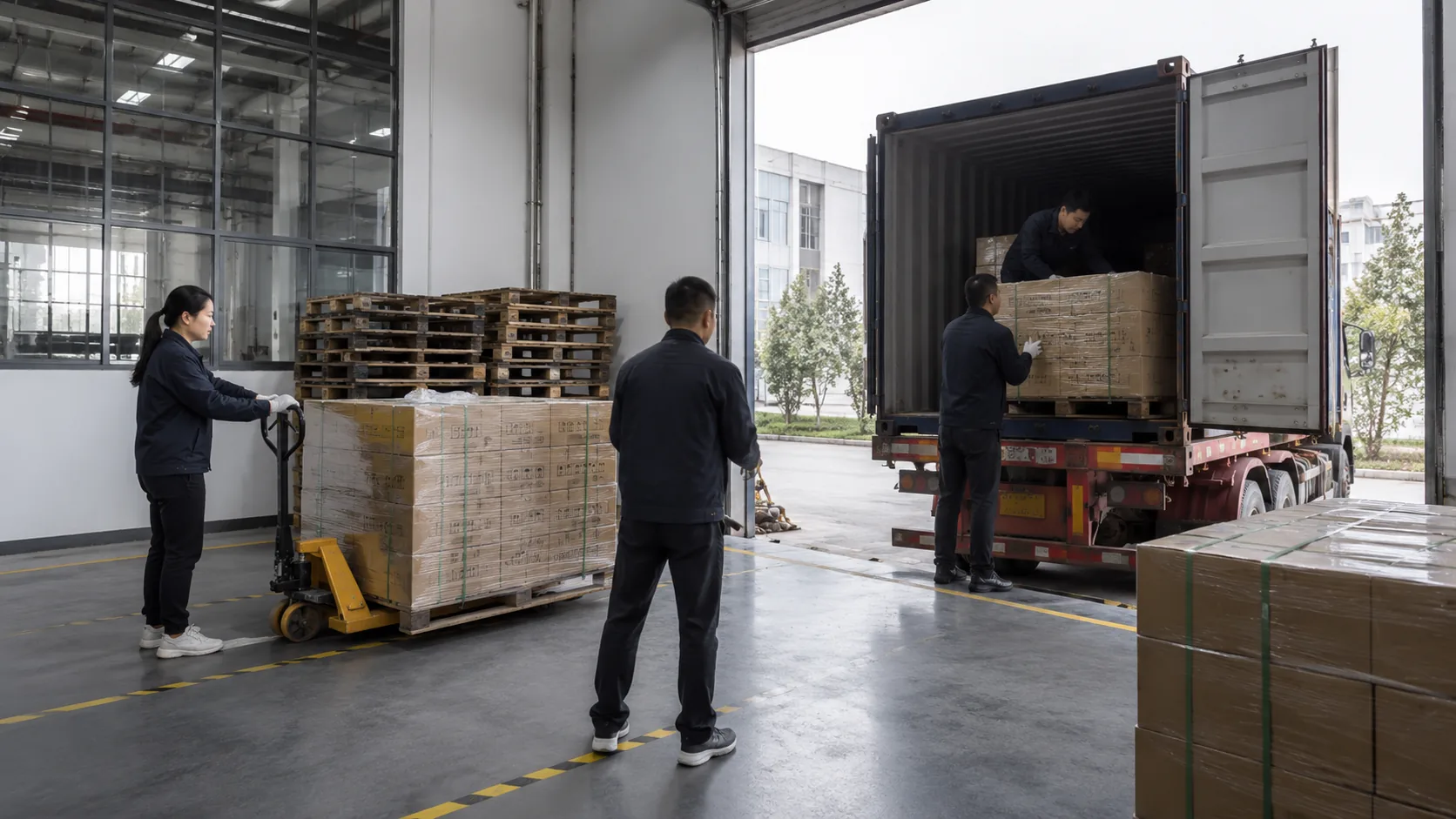
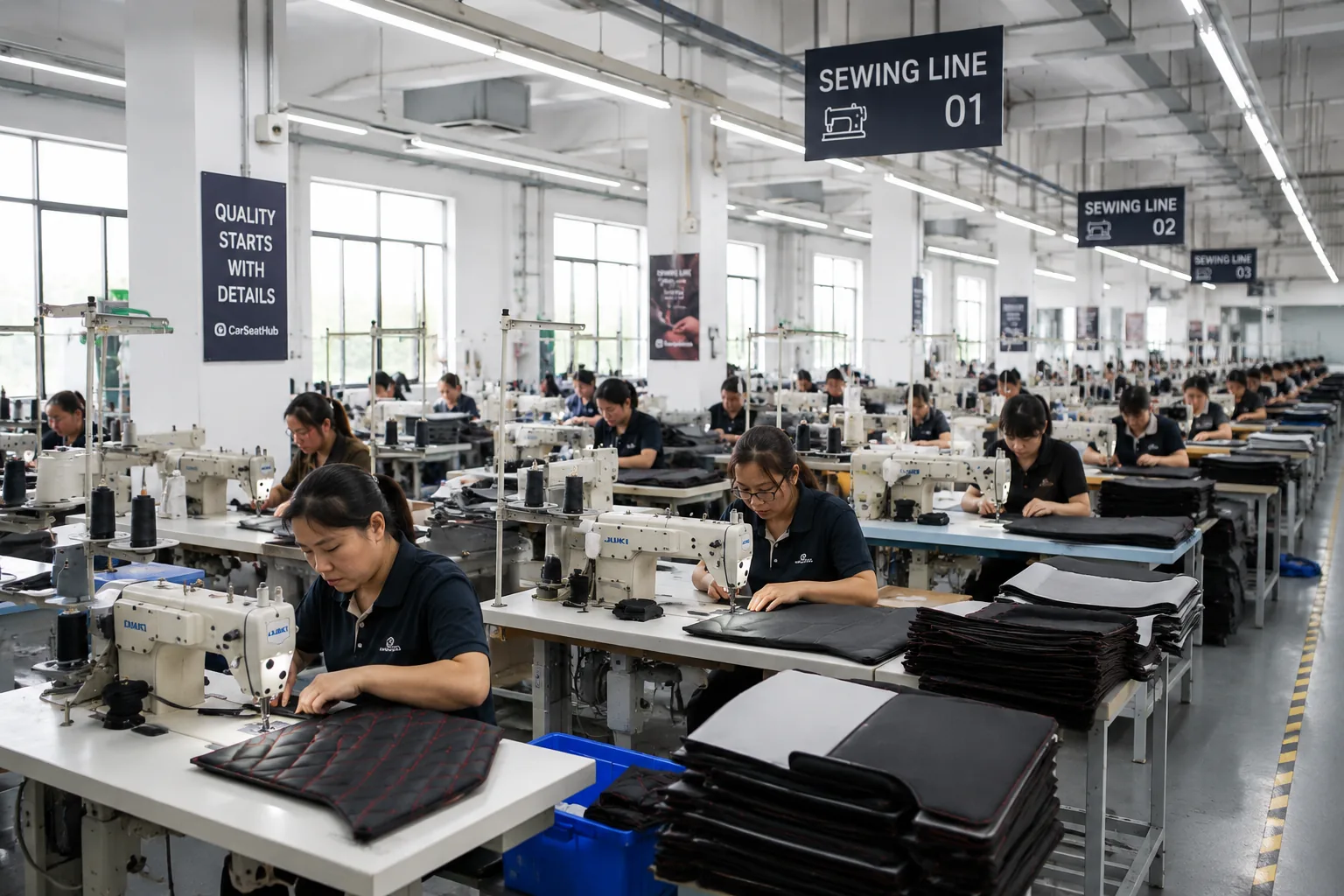
البرنامج العالمي عبارة عن عمل تجاري ضخم مبني على الشراء المنضبط. اختر المورد الذي يقوم بالتصنيع بدلاً من التجارة، وأخذ عينة قبل القياس، وأعد طلب البيانات. الفئة تكافئ الاتساق.
قم ببناء خطك العالمي في مصنع واحد: اطلب قائمة أسعار الجملة وابدأ بحاوية أولى متوازنة. احصل على أسعار الجملة.